

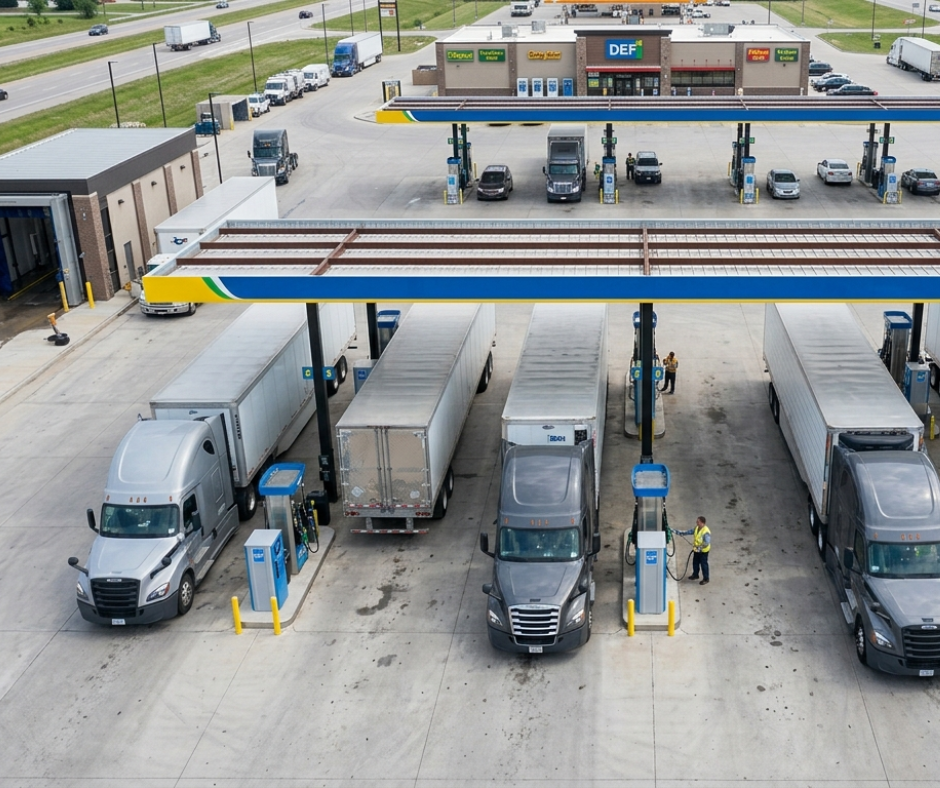

There’s something interesting worth noticing: when you pull into a major truck stop or fuel station across the U.S. and spot a standalone DEF dispenser that’s clean, upright, and actually working, there’s a good chance it belongs to Additech.
Not because they outspend everyone on advertising. But because the distributors and station owners who work with this equipment daily, who see what holds up and what breaks down in real conditions, keep choosing Additech. And then choosing them again.
What Is DEF and Why Should Fuel Stations Care?
If you’re newer to the industry, DEF (Diesel Exhaust Fluid) is a urea-based solution injected into the exhaust system of diesel vehicles to reduce harmful NOx emissions. Under current U.S. emissions regulations, most heavy-duty trucks require regular DEF top-ups, roughly every three to four diesel fill-ups.
That means any fuel station serving truck traffic that doesn’t offer DEF is leaving money on the table and sending customers somewhere else. The question isn’t whether to offer DEF. The question is how.
The Old Way vs. The Additech Way: A Real Comparison
Before dedicated DEF dispensers became standard, many stations handled demand the simplest way possible: stacking 2.5-gallon jugs on a shelf inside the convenience store. It seemed practical until you played it out in real life.
Picture a truck driver who needs 15 gallons of DEF. They park, walk inside, grab six jugs, carry them back out, and pour each one into the tank manually. It’s messy, slow, and almost always results in spills. Meanwhile, station staff are constantly restocking shelves, managing inventory, and dealing with packaging waste.
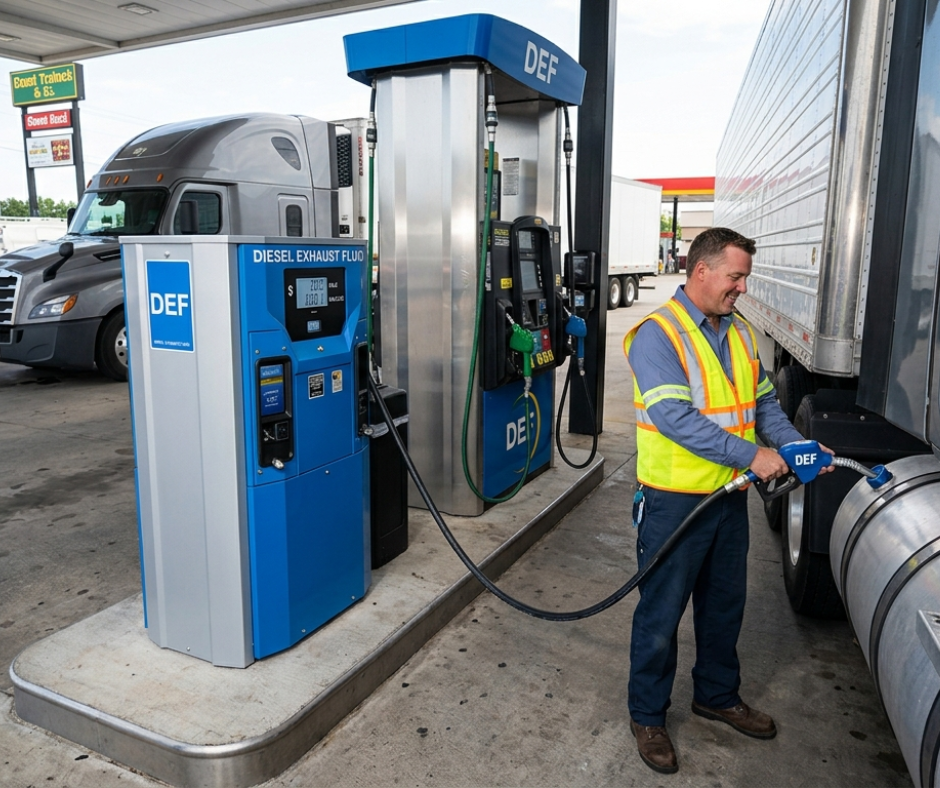
With an Additech DEF dispenser, that same driver pulls up, connects the nozzle, pumps exactly what they need, pays at the machine, and leaves. It’s the same experience as filling up with diesel. Clean, fast, and priced competitively enough to keep drivers coming back.
This isn’t a theoretical comparison. It’s why chains like Kroger, H-E-B, and Fred Meyer have installed Additech systems across more than 1,600 locations nationwide.
Why Distributors Trust Additech
A fuel station manager I came across online said something that stuck with me: “I don’t need perfect equipment. I need equipment that doesn’t wake me up at 2 in the morning.”
That’s exactly what Additech sells. Not just hardware, but peace of mind.
No Upfront Equipment Cost
One of the most compelling parts of Additech’s model is the zero upfront cost structure. Distributors don’t purchase the machines outright. Additech supplies the equipment, handles permits, manages installation, and maintains the system. In return, revenue is shared based on DEF volume sold.
This completely changes the risk calculation. Instead of a large capital investment with an uncertain payback period, a distributor simply agrees to the partnership and watches a new revenue stream open up. The cost barrier that might have stopped many operators simply doesn’t exist here.
Around-the-Clock Customer Service
Additech doesn’t hand over equipment and disappear. Their customer service includes 24/7 support, remote system monitoring, scheduled DEF replenishment, and maintenance response when issues arise. For a distributor managing multiple locations simultaneously, this kind of operational support changes everything.
Looking through reviews from station owners in industry forums, the feedback that comes up repeatedly isn’t about sleek design or cutting-edge tech. It’s simpler than that: “When something goes wrong, someone actually picks up the phone.” In this industry, that standard matters more than most people outside it realize.
Hardware Built for Real-World Use
Additech’s flagship DEF unit, the Sunlite dispenser, is engineered to serve both lane directions, accept fleet cards widely used by commercial truck drivers, and meet certification standards including API, EMV, and UL compliance.
These aren’t random features. They reflect years of feedback from hundreds of active installations. When your equipment has served more than one million vehicles annually, you stop guessing what users need and start building around what actually works.
Where the Real Value Hides
When people hear “cost” in the context of a DEF dispenser, they usually think about the purchase price. That’s too narrow a view.
The real value of a well-designed DEF system shows up in places that don’t always appear on a spec sheet. Diesel truck drivers who previously had no reason to stop now have one. Shelf space that was crowded with plastic jugs gets freed up for higher-margin products. Staff hours spent restocking and managing packaging waste drop noticeably. And the overall experience at the pump, cleaner, faster, more professional, influences whether a driver makes your station a regular stop or just an occasional one.
A station along a Texas interstate reported that after installing the Additech system, their diesel volume increased, not because they changed their fuel price, but because they became the more convenient option compared to competitors nearby. That’s the kind of competitive edge that comes from a decision most people underestimate.
Additech isn’t new to this. More than 500 dispensers installed, over 1,600 retail locations served, and household names like Kroger and Fred Meyer on their client list. Those numbers didn’t come from a clever marketing campaign. They came from equipment that holds up, a price structure that makes sense for distributors, customer service that actually shows up, and reviews from real operators who keep expanding their partnership instead of walking away. When a distributor opens a new location and installs Additech again, that’s the most credible review there is. In the fuel equipment business, nothing speaks louder than repeat business.