

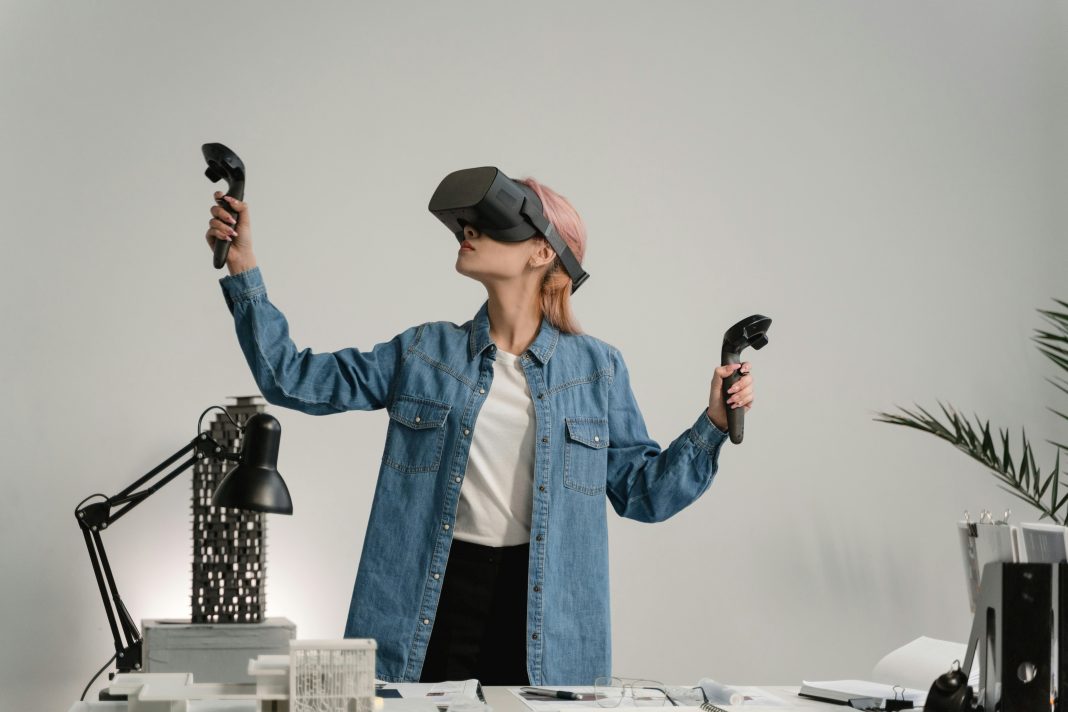

Let me be honest. I used to hate the guessing game of travel planning.
You know what I mean. You scroll through hundreds of hotel photos, read sketchy reviews, and pray that the “ocean view room” actually has a view of something other than a brick wall. I have made that mistake more times than I can count.
But recently, I tried something different. I used AR and VR technology to preview my destinations before booking anything. And honestly, it changed how I travel. Companies like Fanisko are building immersive experiences that go far beyond gaming, and as a budget traveler always looking for an edge, I decided to see if this tech could help me plan smarter.
Spoiler alert: it did. Here is my story.
What Even Is AR and VR for Travel?
Before I dive in, let me break it down simply. No tech jargon, I promise.
VR (Virtual Reality) lets you step inside a 360 degree digital world. Put on a headset or use your phone, and suddenly you are walking through a hotel lobby in Bangkok or standing on a beach in Mexico.
AR (Augmented Reality) overlays digital info onto the real world. Point your phone camera at a street, and you might see restaurant ratings, directions, or historical facts pop up on your screen.
For years, I thought this stuff was just for gamers or tech demos. Then I discovered that companies like Fanisko are creating AR/VR solutions for real world use cases, including travel and hospitality.
My First Test: Previewing a Hostel in Chiang Mai
I was planning a month in Northern Thailand. My budget was tight, so picking the right hostel mattered. Usually, I would pick based on price and a few blurry photos. This time, I searched for places that offered virtual tours.
I found one hostel that had a full 360 degree walkthrough. Using just my phone, I could “walk” from the entrance, up the stairs, into the dorm room, and even check out the bathroom. I could see the actual space, the lighting, and how close the beds were to each other.
The result? I skipped two places that looked great in photos but felt cramped in VR. I booked the one that felt right. When I arrived, it matched exactly what I saw. No surprises. No disappointment. Just a smooth start to my trip.
Using AR to Navigate Street Food Scenes
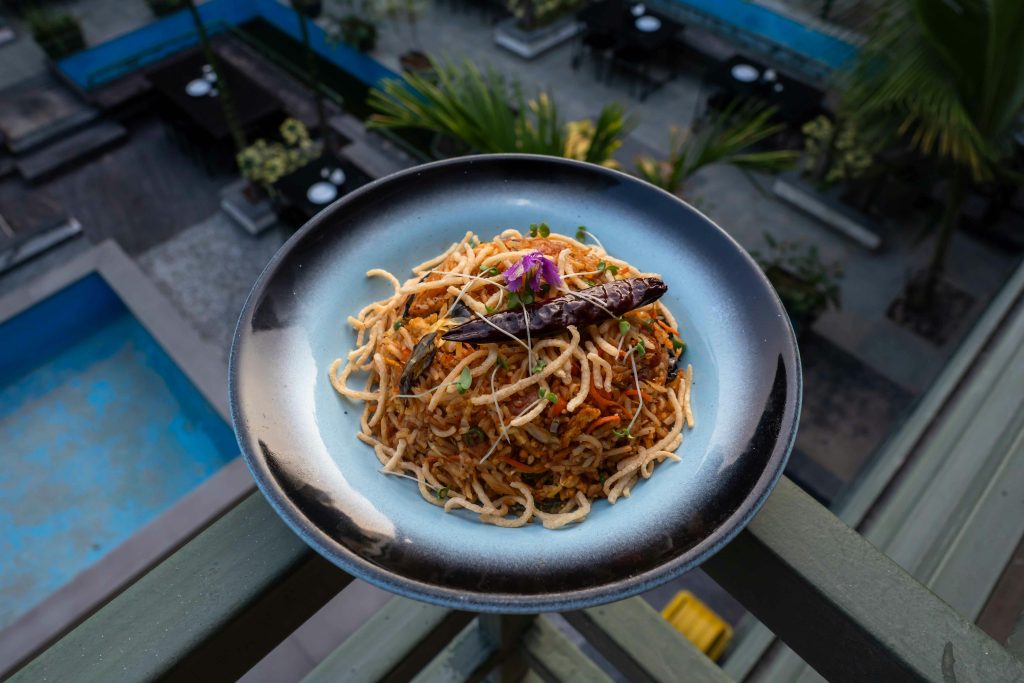
One of my favorite parts of travel is eating street food. But let’s be real, it can be intimidating. You do not always know what you are ordering, and hygiene concerns are valid.
On a recent trip, I tried an AR app that recognized dishes through my camera. I pointed my phone at a sizzling wok in a night market, and the app showed me the dish name, main ingredients, and even spice level. Some versions even pulled in reviews from other travelers.
It felt like having a local friend in my pocket. I ordered with more confidence, tried new things safely, and avoided anything my stomach was not ready for. This is the kind of practical AR application that companies like Fanisko specialize in, creating immersive tools that solve real problems for users.
The Fanisko Connection: Why It Matters for Travelers Like Us
You might be wondering, why do I keep mentioning Fanisko? Simple. When I research immersive tech, their work keeps coming up as a great example of how AR/VR can be applied beyond entertainment.
Fanisko builds custom AR and VR solutions for businesses, including those in travel, retail, and training. Think virtual hotel tours, interactive city guides, or AR menus for restaurants. As a traveler, I do not need to know the code behind it. I just care that the experience works, feels natural, and helps me make better choices.
The more companies invest in this kind of practical immersive tech, the better our travel planning becomes. It is a win for us explorers and a win for businesses that want to serve us better.
3 Simple Ways You Can Try This Today
You do not need a fancy headset or a big budget to start. Here is how I use AR/VR on the road with just my phone:
1. Search for virtual tours before you book
When looking at hotels or hostels, filter for places that offer 360 degree photos or video tours. Many booking platforms now support this. Spend five minutes “walking through” before you click reserve.
2. Use AR travel apps for navigation and discovery
Apps like Google Maps Live View use AR to show arrows and directions overlaid on your camera feed. It is a game changer in confusing cities. For food, try apps that use image recognition to identify dishes or translate menus in real time.
3. Look for destination preview content
Tourism boards and travel creators are starting to share VR style content. Search YouTube or travel sites for 360 degree videos of places you want to visit. It will not replace being there, but it helps you plan your must see list.
Tech That Feels Like a Travel Buddy
Using AR and VR to preview my trips has become part of my routine. It does not make travel less adventurous. If anything, it gives me more confidence to take bigger risks, like venturing to a new region or trying a homestay in a rural area.
When companies like Fanisko focus on creating useful, human centered immersive experiences, it opens up new ways for people like me to explore the world smarter. Not fancier. Not more expensive. Just smarter.
So next time you are planning a trip, try adding a little virtual preview to your process. Your future self, standing in that perfect hostel or eating that amazing street noodle, will thank you.
Have you tried using AR or VR for travel planning? What worked, what did not? Drop your story in the comments. I love hearing how other travelers hack their adventures.
Safe travels, and see you on the road.