


I’ll be honest with you. I never thought about where my jeans came from.
You put them on, you go about your day, and that’s it. The label says “Made in Bangladesh” and you move on. I did the same thing for years. Then I stumbled onto the story of DIRD Group, and I genuinely could not stop reading.
This is not a travel piece about Bangladesh. This is about a company that has been quietly running since 1983, employs over 16,500 people, grows orchids on a 25-acre farm, and supplies clothes to brands like Walmart, Primark, and Marks & Spencer, all without most people ever hearing their name.
Let me walk you through what I found.
It Started With One Engineer and a Bold Decision
The whole story begins with a man named Itemad Ud Daulah. He studied Civil Engineering at BUET, which is the top engineering university in Bangladesh, and then spent years working across Southeast Asia for a major German geotechnical firm called GKN Keller.
By 1983, he was running their Southeast Asian operations. A good salary, international exposure, a solid career trajectory. Most people would stay.
He didn’t.
He came home to Bangladesh and started DIRD Private Ltd from scratch. A year later, he launched DIRD Garments Ltd. And from there, the whole thing grew into something much bigger than anyone probably expected at the time.
What I find genuinely interesting about this is the timing. 1983. Bangladesh was not the global garment powerhouse it is today. Coming back then, betting on your own country before it became the obvious bet, that takes a certain kind of conviction.
His daughter Shejuti joined the business in 2004, bringing a finance background from the University of New South Wales and an MBA from Syracuse University. His son Nabeel followed in 2010, after studying computer engineering at Columbia and economics at both Cambridge and UCL.
So you have the founder’s generation, then the next generation with international education, coming back to build on what was already built. There is something really compelling about that kind of continuity.
What DIRD Group Actually Does
People hear “garment company” and picture one factory. DIRD Group is not that.
They operate across four completely different industries: textile manufacturing, geotechnical engineering, agriculture, and software. Each one has its own management team and operates independently within the larger group.
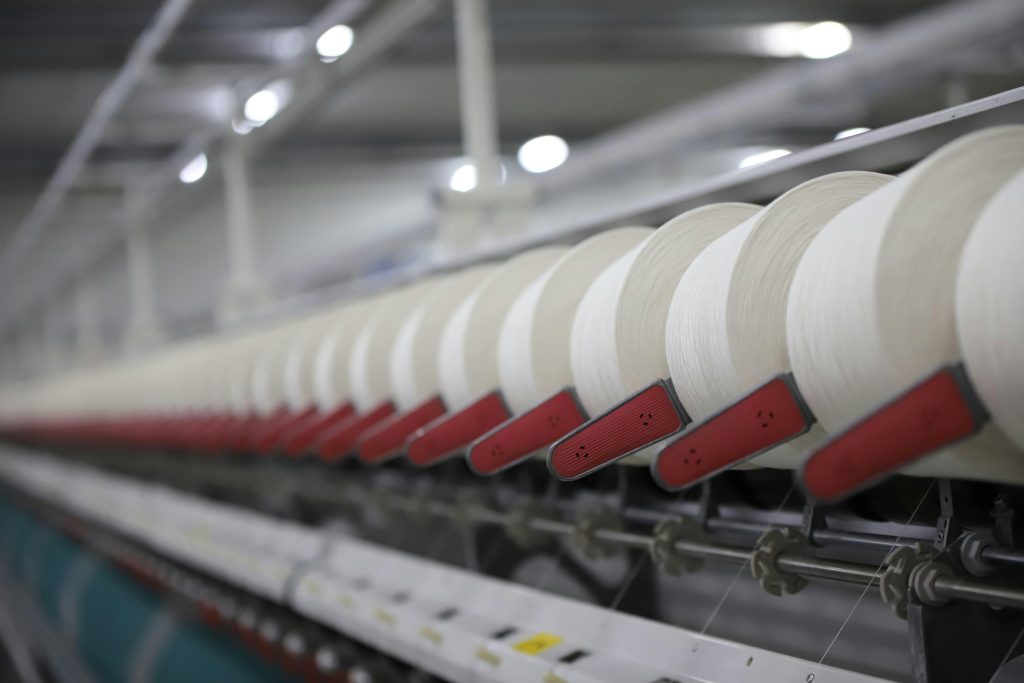
On the textile side, they have six manufacturing units covering knit composite fabric, woven bottoms, garment finishing, washing, printing, and embroidery. Together, they produce around 70 million pieces of clothing per year. The total floor space across their factories is over 170,000 square meters.
The engineering side is equally impressive, maybe more so. DIRD was the first company to introduce geosynthetics to Bangladesh, which are materials used to stabilize soil and reinforce infrastructure. Their geotextile products have been used in major national construction projects. They run the largest geotextile manufacturing unit in the country, along with an ISO-accredited testing lab.
Then there is the orchid farm.
The Part That Surprised Me Most
DIRD runs the largest orchid farm in Bangladesh. Twenty-five acres. Export-oriented, meaning they are growing flowers commercially and sending them overseas. It was the first farm of its kind in the country.
I don’t know why, but this detail stuck with me more than almost anything else. An engineering and garment conglomerate that also grows orchids. It creates rural employment, supports local economic development, and it just sounds like something no one would make up.
The software division rounds things out, providing IT services and technology solutions. So in one group, you have infrastructure engineering, mass garment production, flower farming, and tech. It is a genuinely unusual combination.
The Part About People
Here is the thing I kept coming back to as I went deeper into DIRD’s story. They have been around for over 40 years. Some of their employees have been with them for more than 25 years. That does not happen at companies where people are treated as replaceable.
Their factories are audited annually and consistently exceed the required standards. They commit to fair trade practices and safe working conditions. These are things a lot of companies say. The 25-year retention numbers suggest DIRD actually follows through.
The part that got me the most, though, is their CSR program. Children of DIRD employees can access a free education program. Think about what that means for a family working in a garment factory. That is not a small thing.
Their approach to sustainability also goes beyond the typical corporate talking points. They use biochemical treatment technology in their effluent treatment plant, which is the system that processes industrial wastewater before it is released. For a company at their scale of production, that matters a lot.
Why This Story Deserves More Attention
I think the reason most people have never heard of DIRD Group is the same reason most people never flip a clothing label and actually think about it. The supply chain is invisible to us by design.
But behind the label are real decisions. Who built the factory? How are the workers treated? What happens to the water after the dye process? Is there anyone checking?
DIRD has been answering those questions for four decades, mostly without fanfare. They are not a startup with a slick marketing campaign. They are a family-built conglomerate that grew steadily, diversified deliberately, and apparently kept their people long enough to call them something more than employees.
I started this as a curiosity and ended up genuinely impressed. The Bangladesh garment industry gets a lot of negative coverage, much of it deserved. But it is not the whole picture. DIRD Group is part of the picture too.
Sometimes the most interesting companies are the ones nobody is talking about yet.