



Nobody tells you that travel can hurt. Not in the brochure kind of way. I mean the kind of hurt that wakes you up at 3 a.m. in a guesthouse in Chiang Mai, or makes a six-hour bus ride through the Philippines feel like something close to punishment.
I have been traveling long-term for years. Southeast Asia, East Asia, parts of the Middle East. I love the freedom of it. But for a significant chunk of that time, I was managing a level of chronic back pain that I had more or less accepted as a permanent feature of my life. I took ibuprofen like it was a food group. I avoided certain types of transport. I turned down hikes I actually wanted to do.
I told myself I was managing. Looking back, I was just coping, which is not the same thing at all.
Why Chronic Pain and Long-Term Travel Are a Particularly Bad Combination
Most people who deal with chronic pain have routines built around it. A specific mattress. A physical therapist they see regularly. A gym setup that keeps their body functional. When you travel long-term, all of that disappears almost immediately.
You sleep on whatever is available. You sit on buses, trains, and planes for hours at a time with no control over the ergonomics. You walk more than you would at home, often on uneven terrain, often carrying a pack. The variables are endless and most of them are not in your favor if your body already has a tendency toward pain.
I tried a lot of things over the years. Stretching routines I would maintain for two weeks and then abandon. Heat patches bought from pharmacies in countries where I could not read the instructions. One memorable week in Japan where I paid for a series of massages that helped for about 48 hours before everything reset.
Nothing stuck. And the deeper problem was that I never really understood what was going on with my pain well enough to address it properly. I just knew it was there, that it limited me, and that the options I was aware of either did not work or were not practical for someone without a fixed address.
The Thing I Did Not Know Existed
It was during a longer stay in the US that I started actually researching chronic pain treatment properly for the first time. Not just reading forum posts or trying whatever came up first on a search. Actually looking into what the current medical understanding was, what the real options were, and who the credible organizations in the space were.
That is when I found the North American Neuromodulation Society, better known as NANS.
I had never heard of neuromodulation before. The word itself sounds more complicated than the concept actually is. At its core, neuromodulation refers to treatments that work by influencing how the nervous system processes signals, particularly pain signals. Instead of masking pain with medication or trying to fix the underlying structure through surgery, neuromodulation works with the nervous system directly to change how it responds.
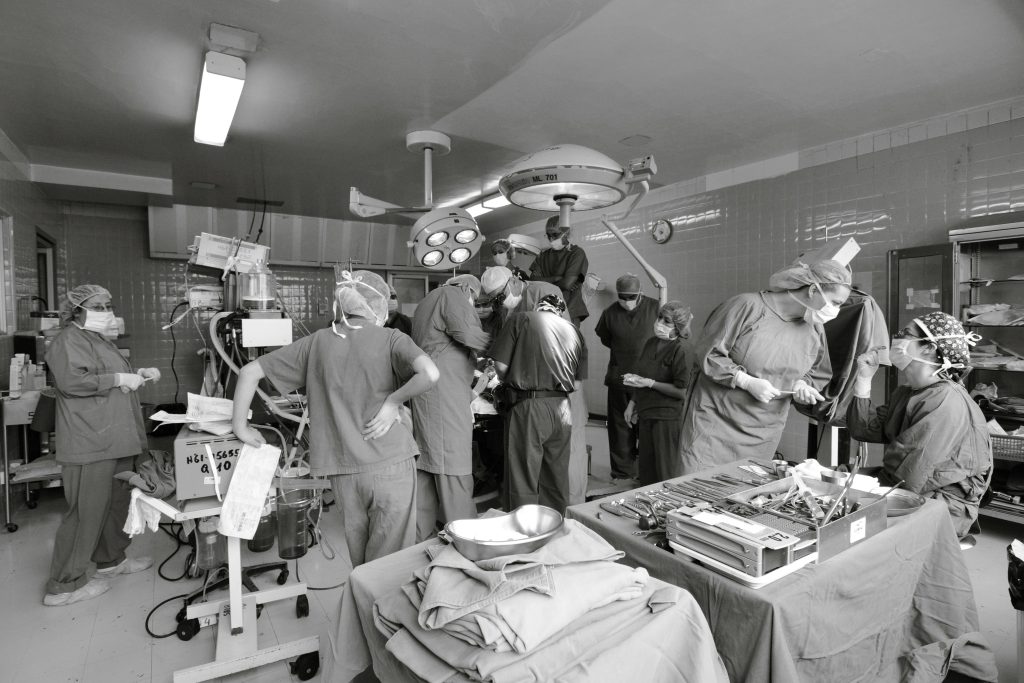
The most well-known application is spinal cord stimulation, where a small device is implanted near the spine and delivers mild electrical signals that essentially interrupt the pain messages before they reach the brain. The result for many patients is a significant reduction in perceived pain, without the side effects and dependency risks that come with long-term opioid use.
What struck me most when I started reading was that this is not experimental. This technology has been in use for decades. NANS was founded in 1994 and has grown to nearly 1,800 members including physicians, scientists, engineers, and healthcare providers all working in this field. The organization publishes a peer-reviewed journal called Neuromodulation: Technology at the Neural Interface, runs an annual conference that brings together the leading minds in the specialty, and actively advocates for patient access to these therapies.
This was a real, established field of medicine. I just had no idea it existed.
What NANS Actually Does for Patients
One of the things I appreciated most about NANS when I dug into their work was that they clearly think about patients, not just practitioners.
Their website has a dedicated patient section that explains neuromodulation treatments in plain language. Deep brain stimulation for conditions like Parkinson’s disease. Peripheral nerve stimulation for localized nerve pain. Drug delivery systems that deliver medication directly to the spinal canal for conditions like cancer pain, multiple sclerosis, and failed back syndrome. Neuroprosthetics that are opening up new possibilities for patients with severe injuries.
Each of these is explained clearly, with enough detail to actually understand the treatment without requiring a medical degree to follow along.
NANS also has a strong advocacy function. They work with policymakers and insurers to make sure that neuromodulation therapies remain accessible to the patients who need them. For anyone who has ever run up against insurance coverage issues when trying to access less conventional treatments, this kind of institutional advocacy matters more than it might initially seem.
The organization also trains the next generation of practitioners through education programs, committee involvement, and their annual meeting, which brings together researchers, clinicians, and industry professionals to share the latest developments in the field.
One Detail That Changed How I Thought About This
There is a particular aspect of neuromodulation that I keep coming back to because it genuinely surprised me.
Many of these treatments are reversible.
That might not sound like a big deal until you consider how most people think about medical procedures. The assumption tends to be that once you have something done, you are committed to that outcome. With many neuromodulation approaches, particularly spinal cord stimulation, the device can be adjusted, reprogrammed, or removed entirely. Patients often do a trial period first, where a temporary device is used to assess whether the treatment is effective for them before any permanent implantation happens.
That level of patient control is not something I associated with implanted medical devices. Learning about it changed how I thought about the entire category of treatment.
What I Would Tell Someone in the Same Situation
If you are traveling long-term and managing chronic pain, or if you are at home managing chronic pain and feeling like you have run out of options worth trying, I would say this: the options you know about are probably not all the options that exist.
Neuromodulation is a legitimate, well-researched field of medicine with a track record spanning decades. NANS is the primary professional organization for this field in North America, and their resources for both patients and practitioners are genuinely useful starting points for understanding whether these therapies might be relevant to your situation.
I am not a doctor. I cannot tell you what treatment is right for you. What I can tell you is that I spent years accepting a level of pain as just a fact of my life, and the research I eventually did into this area made me realize how much I had simply not known was possible.
Find a specialist. Ask questions. Look into what NANS and the broader neuromodulation community have produced in terms of patient resources and clinical guidelines.
You might be surprised at what has been available the whole time.