


I’ve been to a lot of music festivals. Dusty grounds in Thailand, open-air stages in Hanoi, rooftop gigs in Beijing. I’ve always been the guy in the crowd, craning my neck, wondering how the whole thing comes together. But last summer in Seattle, I finally got to see what happens on the other side of the barrier — and honestly, it changed the way I look at live events forever.
It started with a conversation at a coffee shop in Capitol Hill. A friend of a friend worked in event production, and when he mentioned he could get me a look at the setup process for a corporate music festival happening downtown, I said yes before he even finished the sentence.
First Impressions: It Is Not What You Expect
I showed up at 7 a.m., hours before any performer or audience member would arrive. The venue was a large outdoor space near the waterfront, and it was already buzzing. Trucks, cable runs, scaffolding going up. My first thought was that it looked more like a construction site than a concert.
The person who walked me through everything was from the production team working with Blue Light LLC, a Seattle-based lighting and production company that handles events ranging from corporate conferences to full-scale music festivals. I had never heard of them before that morning. By the end of the day, I understood why serious event organizers keep coming back to them.
The Part Nobody Talks About: The Lighting
Most people, when they think about what makes a concert feel electric, think about the artist, the sound system, maybe the crowd energy. Very few people think about lighting. I was one of those people.
Watching the Blue Light LLC team work that day shifted that perspective completely.
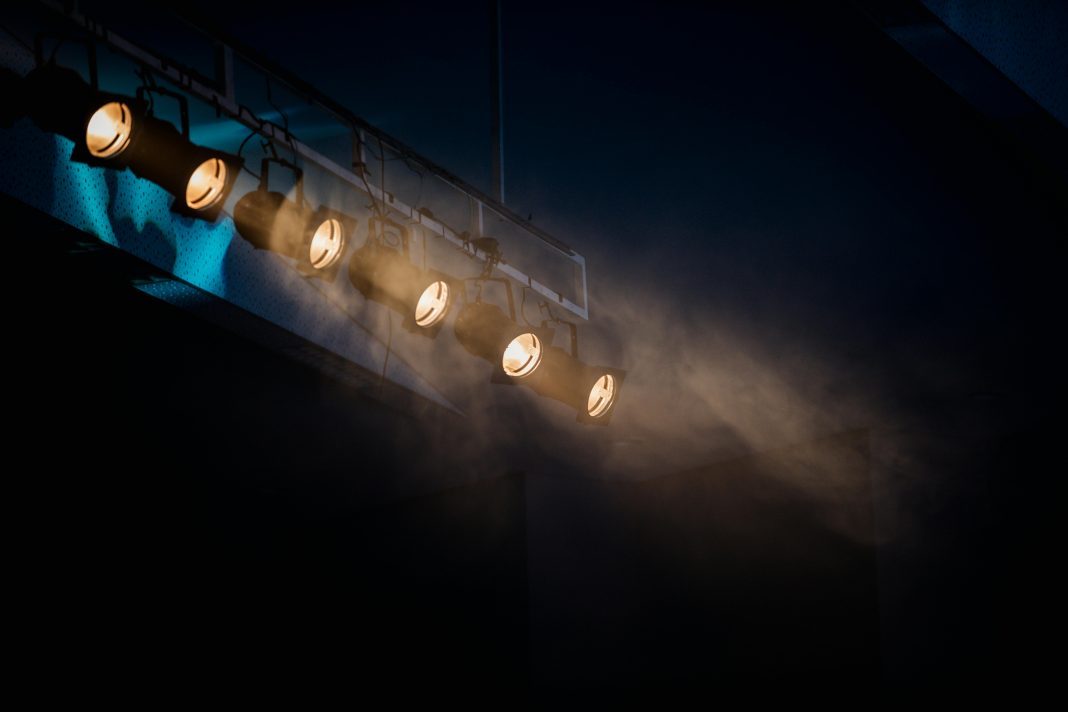
Blue light casting is one of those things that sounds simple until you see the actual process behind it. The team was using a technique where blue-toned light sources are cast across the stage at specific angles to create depth and dimension that a flat white wash simply cannot achieve. When done right, it makes performers look larger than life. It draws the eye to exactly where the production wants it to go. It creates mood without a single word being spoken.
I stood there watching them dial in the angles and intensities, and I started to understand why this is a craft and not just a technical job. The lead designer was adjusting fixtures by fractions of a degree, previewing the output on a laptop, walking back to the stage, adjusting again. He did this for about two hours on just one section of the rig.
“We are not just illuminating a stage,” he told me at one point. “We are building the emotional context for whatever happens on it.”
That line stuck with me.
What Blue Light LLC Actually Does (And Why It Matters)
Before that day, I assumed lighting companies just showed up, plugged things in, and pointed fixtures at the stage. The reality is far more layered than that.
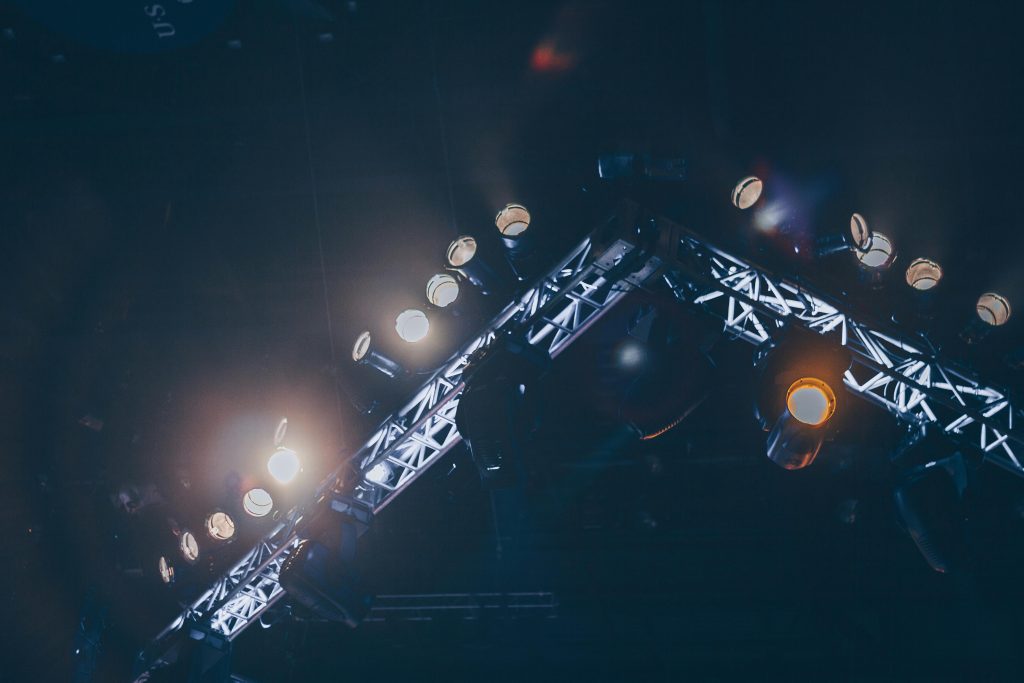
The team at Blue Light LLC handles everything from initial design to full execution. That includes drafting technical lighting plots using software like Vectorworks and AutoCAD, rigging the fixtures, coordinating with audio and video teams, managing power distribution, and providing real-time operation during the event itself. They also handle LED wall integration and projection systems, which is increasingly important for large-scale events where visuals need to be as dynamic as the performance.
What struck me most was how much coordination happens invisibly. Every fixture placement has a reason. Every color choice is intentional. The blue light casting approach I watched them set up was not an aesthetic preference pulled out of thin air. It was a deliberate decision based on the time of day the show would happen, the color of the stage backdrop, and the way the performers were expected to move.
This is also a company that has worked with serious brands. AWS, Samsung, LG. They have handled festival production across the Pacific Northwest and beyond. That kind of resume does not happen by accident.
The Moment It All Made Sense
The show started at sundown. I watched from a spot just offstage, the kind of view you only get if someone brings you in.
When the lights went live, everything I had watched being built throughout the day clicked into place. The blue light casting across the front of the stage created a haze effect that made the whole setup feel like something out of a film. The crowd, which had been fairly casual up to that point, visibly shifted. People stopped talking to each other. Phones went up. The energy in the space changed.
That was the moment I stopped thinking of lighting as a background detail.
What Traveling Teaches You About Production
I think one of the interesting side effects of traveling as much as I do is that you start noticing the gap between events that feel cheap and events that feel like an experience. Street food festivals in Chiang Mai, gallery openings in Shanghai, rooftop concerts in Ho Chi Minh City. The difference between memorable and forgettable almost always comes down to the details that most attendees never consciously register.
Lighting is at the top of that list.
Companies like Blue Light LLC are working in a space that rarely gets public credit, but they are fundamentally shaping how people experience live events. The fact that most festival-goers never think about the lighting rig is actually proof that the job was done well. When it works, it is invisible. It just makes everything feel right.
Final Thoughts
If you are ever in Seattle and you catch a festival or corporate event that feels especially polished, there is a reasonable chance that a team like Blue Light LLC had a hand in it. And if you ever get the opportunity to see a production setup from behind the barrier, take it.
You will never watch a live show the same way again.