

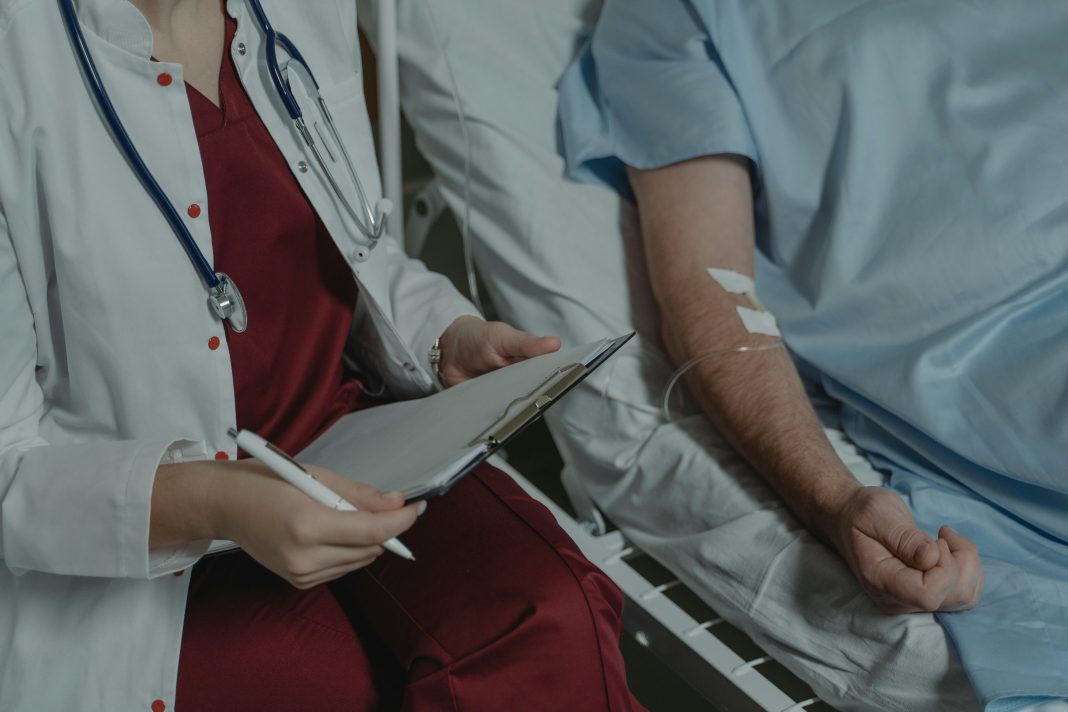

I’ve spent a good chunk of my life living in Asia. China, Thailand, Vietnam — I’ve called all of them home at different points. And one thing you notice pretty quickly when you spend real time in these countries, not just the tourist version of them, is how many people have a serious, genuine dream of building a life in the United States.
I heard it in China from young professionals working 60-hour weeks hoping to eventually land a visa. I heard it in Thailand from teachers and engineers who had studied English specifically to make that move more possible. And I heard it most often in the Philippines, where the dream of working abroad, particularly in the US, isn’t just a personal goal. For a lot of families, it’s the plan.
So when I came across Greendoor Global, a company built specifically around helping Filipino nurses get to the United States and actually thrive once they’re there, I wanted to understand what that process really looks like. Not the polished version on a brochure. The actual steps, the actual complexity, and what makes it work.
Here’s what I found out.
First, Why Nurses Specifically?
Before getting into how Greendoor works, it helps to understand why international nurse recruitment is such a significant thing in the first place.
The US has a well-documented nursing shortage. Hospitals in states like California, Texas, New York, Florida, North Dakota, and Hawaii are consistently short-staffed, and the domestic pipeline of new nurses simply hasn’t kept up with the demand. At the same time, the Philippines has one of the most developed nursing education systems in the world, with a large population of highly trained registered nurses who are qualified to work in international healthcare environments.
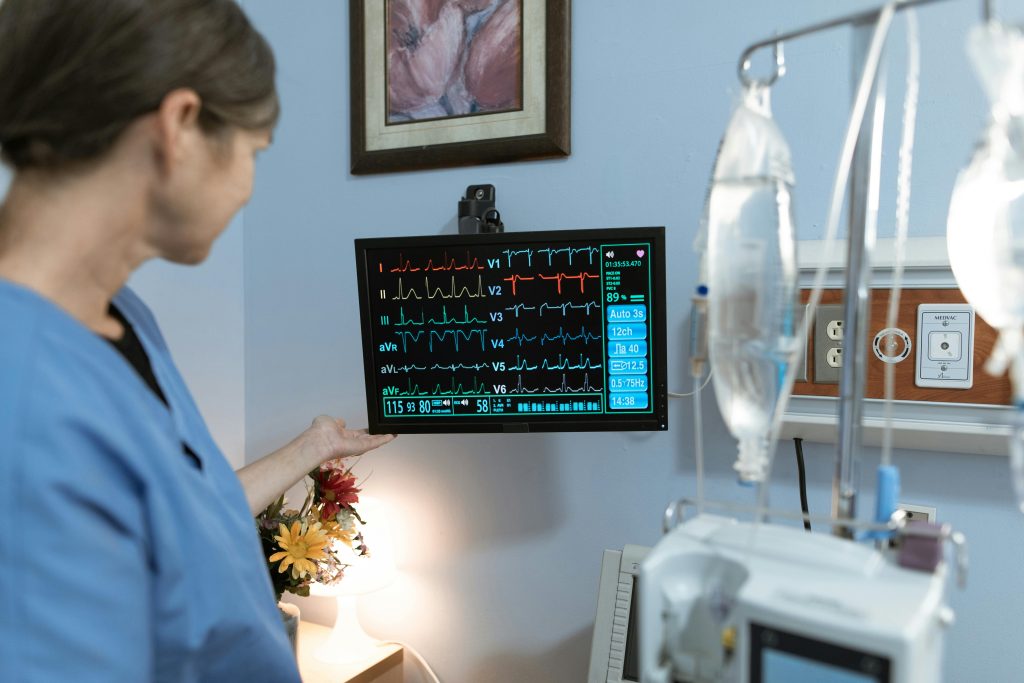
So there’s a real match here. The challenge is that getting from “qualified Filipino nurse” to “working registered nurse in the US” involves a maze of legal, licensing, and logistical steps that most people cannot navigate on their own. That’s exactly the problem Greendoor was built to solve.
Who Is Behind Greendoor Global?
Greendoor Global was founded by Atty. Carmen Villamor, an attorney licensed in both the Philippines and the United States, with a specialization in immigration law. She has over 20 years of experience in international recruitment, visa processing, and compliance. That legal and immigration background isn’t incidental. It’s the core of what makes Greendoor different from a generic staffing agency.
The executive team also includes Mike Austria, a Filipino-American registered nurse who gained acute care experience at UC San Diego before founding healthcare operations of his own. There’s also Camille Tito, the Recruitment and Deployment Director, who founded a separate platform called Nurse Pro US specifically to support international nurses in their career transitions. And Joanne Austria, the Chief Nursing Officer, brings deep clinical experience including post-surgical patient management and advanced life support competencies.
This isn’t a team of recruiters who learned about nursing. It’s a team of nurses, attorneys, and healthcare professionals who built a company around a problem they understood from the inside.
What the Process Actually Looks Like
This is the part I found most genuinely useful to understand. Moving to another country to work in healthcare is not a single step. It’s a series of connected steps that each depend on the previous one going right.
Greendoor breaks their process into four main stages.
Recruitment is the starting point. Greendoor sources candidates, evaluates their qualifications, and makes sure the nurses they work with are genuinely prepared for what comes next. They work with healthcare organizations across multiple US states, so they’re matching nurses to specific opportunities rather than just collecting resumes.
Immigration is where things get complicated for most people. Getting from a Philippine nursing license to legal work authorization in the United States involves visa processes, sponsorship paperwork, government filings, and timelines that can stretch for months. Atty. Carmen’s legal background is directly applied here. Greendoor also provides free downloadable guides on things like employer obligations in the EB-3 visa process, which is one of the main pathways for skilled workers including nurses.
Credentialing is the step that surprises a lot of people who haven’t thought through what it means to practice nursing in a new country. A Philippine nursing license does not automatically transfer to a US Registered Nurse license. There are examinations, verification processes, and state-specific requirements that have to be met. Greendoor manages this stage so nurses know exactly what they need to do and when.
Deployment and Support is the stage that separates Greendoor from what I’d call a transactional recruiter. Once a nurse is placed, the work doesn’t stop. Greendoor provides relocation support, helps nurses get oriented to their new environment, and maintains ongoing communication. Their 90% retention rate is the clearest sign that this part of the process is actually working.
The Part That Actually Matters Most
Here’s the thing I kept coming back to as I read through Greendoor’s approach.
There are agencies that place workers internationally and then move on to the next placement. The worker lands in a new country, possibly alone, possibly without a full understanding of the cultural and professional environment they’ve entered, and figures out the rest themselves.
Greendoor is deliberately built against that model. One of their core stated values is cultural understanding, the idea that a nurse who feels genuinely supported and integrated into their new environment is far more likely to stay long-term. And long-term retention is good for everyone: good for the nurse who has stability, good for the hospital that doesn’t have to replace staff every year, and good for the patients who benefit from experienced consistent care.
I also noticed that Greendoor is very upfront about calling what they do ethical recruitment. In an industry where some recruiters charge workers large fees, make promises they don’t keep, or place people in environments they’re not prepared for, Greendoor’s emphasis on treating nurses fairly and building trust on both sides of the relationship stood out as a real differentiator, not just a marketing line.
Where Greendoor Operates
Greendoor is headquartered in Los Angeles, with a US office at 3435 Wilshire Blvd in the Koreatown corridor, and a Philippines office at the Latitude Corporate Center in Cebu Business Park. The Philippines office makes a lot of sense given that the majority of the nurses they work with come from there, and having a physical presence in Cebu means nurses are meeting with Greendoor representatives in their own city before they ever get on a plane.
Current placements span California, New York, Hawaii, North Dakota, Texas, North Carolina, Florida, and New Mexico. It’s a genuinely broad geographic footprint for a relatively young organization.
If you are a nurse in the Philippines considering a move to the US, or a healthcare employer looking for a recruitment partner who has clearly thought through what responsible international hiring looks like, Greendoor Global is worth a serious look.