

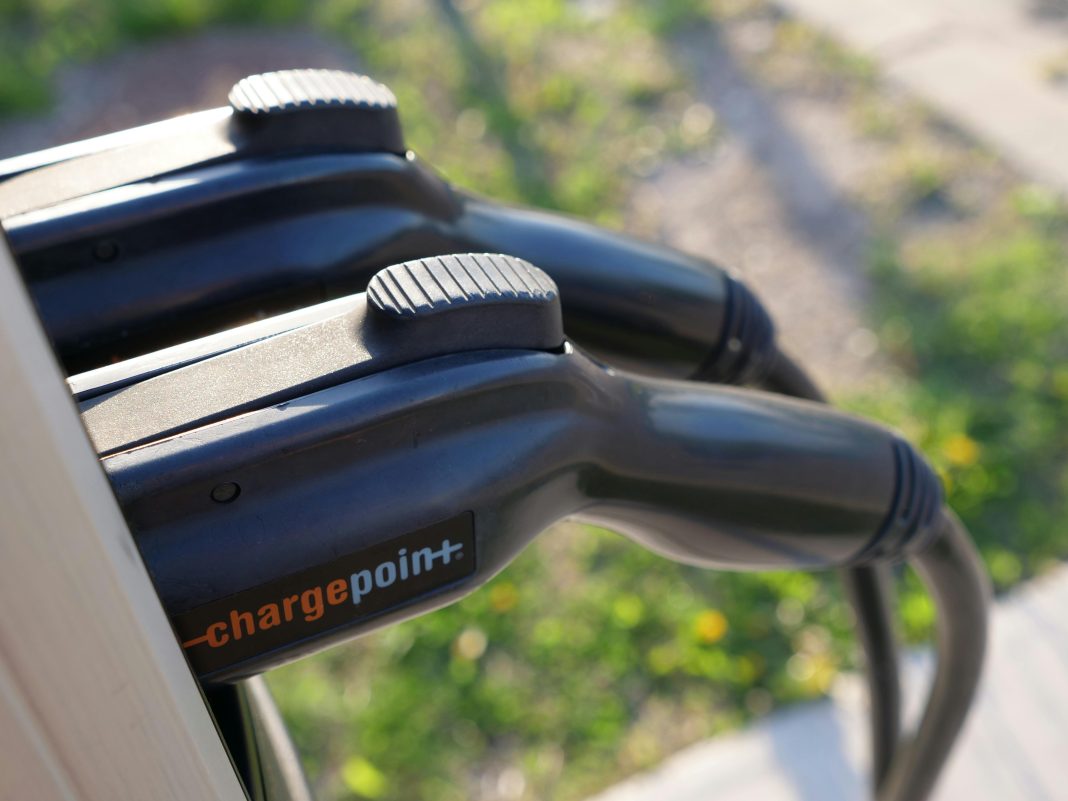

I have driven through a lot of places I probably shouldn’t have without a full tank.
Dirt roads in rural China. Long stretches of highway in Southeast Asia where the next gas station was anybody’s guess. I’ve always been the kind of traveler who figures things out as he goes, and honestly, it’s worked out fine most of the time.
But when a friend invited me on a road trip in his electric car last year, I realized quickly that my usual “just wing it” approach was going to get us stranded in a parking lot somewhere with zero percent battery and a very long walk ahead.
That trip taught me more about EV charging than I ever expected to learn. And it sent me down a rabbit hole that eventually led me to a company called EVB, one of the biggest EV charger manufacturers in the world, that most people outside the industry have never heard of.
Here’s what I picked up along the way.
The Thing About Electric Cars That Nobody Warns You About
When people talk about switching to electric vehicles, the conversation usually goes straight to the environment, or the cost savings, or how smooth and quiet the drive is. All of that is true.
What people don’t talk about as much is the planning involved.
With a gas car, you can run it almost to empty, pull into any station you pass, and be back on the road in five minutes. With an electric car, it’s a different rhythm. You need to know where the chargers are before you need them, not when you’re already at ten percent. You need to understand that not all chargers are the same speed. And you need to be okay with the fact that “charging” sometimes means sitting somewhere for twenty minutes, and sometimes means sitting somewhere for two hours.
That last part threw me off the most. I had no idea there were such big differences between charger types until I started paying attention.
AC vs DC: The Difference That Actually Matters for Travelers
This is the thing that nobody explains clearly, so let me try.
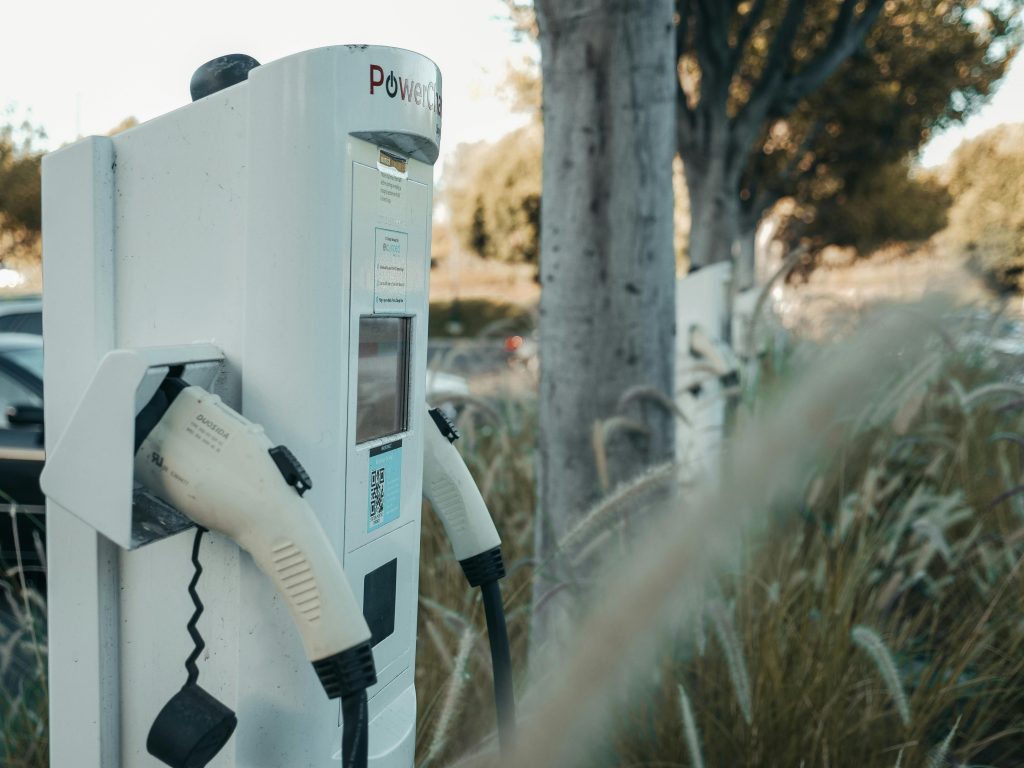
There are two main types of EV chargers: AC and DC. AC chargers are the slower ones. Think of them like charging your phone overnight. They work fine if you have time, like when you’re parked at a hotel, sleeping, or spending a full day somewhere. Most home chargers and a lot of public chargers in parking garages are AC.
DC chargers are the fast ones. These push a lot of power directly into the battery and can get you from near-empty to mostly full in thirty to sixty minutes depending on the car and the charger’s output. These are the ones you want when you’re on the road and just need a top-up to make it to the next city.
EVB makes both. Their AC chargers range from portable units you can carry with you to floor-mounted commercial stations. Their DC chargers go from wall-mounted units for smaller installations all the way up to 720kW split systems that can charge multiple vehicles at serious speed. That kind of range is rare in one manufacturer.
Knowing this difference changed how I thought about planning the road trip. Instead of just searching for “EV charger near me” and hoping for the best, I started thinking about what kind of stop I wanted to make. Quick coffee break? Find a DC fast charger. Overnight stay? AC is fine.
Planning an EV Road Trip: What I Actually Do Now
After that first trip, I started approaching EV road trips the way I approach planning any travel. A little bit of research upfront saves a lot of stress later.
Before leaving, I look at the route and map out where the DC fast chargers are. I aim to charge when the battery is somewhere between twenty and twenty-five percent, not when it hits five. That buffer matters more than you’d think, because fast chargers aren’t always available and sometimes you need to drive a few extra kilometers to find one.
I also look at where I’m stopping for meals or overnight stays. If the hotel has EV charging, even slow AC charging, I plug in the moment I arrive. By morning it’s full. Zero stress, zero time wasted.
The hardest part early on was not knowing which chargers were reliable. Some public stations are maintained well. Some are broken half the time with no warning. Over time you learn which networks and which brands tend to be more dependable. EVB chargers started appearing on my radar because they showed up consistently across different countries and different types of locations, from commercial parking lots to hotel forecourts to highway rest stops.
Why the Charger Brand Actually Matters
I never thought I’d care who made the charging box on the wall. But I do now.
When a charger is poorly built, you feel it. The connection is unreliable. The app doesn’t work. The screen freezes. You plug in and come back an hour later to find it never actually started charging.
Good hardware just works. You plug in, it confirms the connection, it tells you how long until you’re done, and it does exactly what it says.
EVB puts a lot of emphasis on certifications. Their products carry CE, CB, UL, SAA, and several other international safety and quality marks. That matters because when you’re relying on a piece of equipment in an unfamiliar place, you want to know it was built to a standard that someone actually checked.
They also build smart features into their chargers, like dynamic load balancing, which automatically adjusts how power is distributed across multiple charging points so the system doesn’t overload. For a traveler, this means more stable charging even at busy locations.
Their software side, the Z-BOX management platform and EV-SAAS system, is what operators use to run the charging networks on the back end. As a driver, you don’t see this directly, but you feel it when everything runs smoothly and the station actually communicates correctly with your car.
The Places That Surprised Me Most
One thing I didn’t expect about EV charging infrastructure is how fast it’s growing in places I wouldn’t have predicted.
EVB has completed over 25,000 projects across markets including Australia, Germany, the United States, and many others. That kind of footprint means their chargers are showing up in places well outside the major cities. Highway corridors. Regional hotels. Commercial developments in smaller towns.
This matters for travelers specifically because range anxiety, which is the fear of running out of battery with no charger nearby, is a real psychological barrier. The more the infrastructure fills in the gaps between cities, the more practical EV road trips become.
I’ve done a couple of trips now where I barely thought about charging at all. The network has grown enough in certain regions that it almost feels like driving a gas car. Almost.
Is an EV Road Trip Worth It?
Yes. With one condition: go in with a plan.
The rhythm of an EV road trip is different from what most of us grew up with. You stop a bit more often, but you also stop more intentionally. A twenty-minute DC fast charging stop is a good excuse to get coffee, stretch, use the bathroom, and actually look around at where you are instead of just racing through it.
Some of my best moments from that first trip came from stops I wouldn’t have made in a gas car. A small town we pulled into just to find a charger. A bakery we stumbled on while waiting. A conversation with a local who saw us plugging in and wanted to talk about the car.
The infrastructure is getting better every year. Companies like EVB are a big part of why. They’re not a household name the way Tesla is, but they’re building a lot of the hardware that makes EV travel possible across a growing number of countries.
If you’re thinking about your first EV road trip and you’re not sure where to start, my honest advice is to just book the trip. The planning gets easier once you’ve done it once. The charging anxiety fades. And the drive itself is genuinely enjoyable in a way that sneaks up on you.